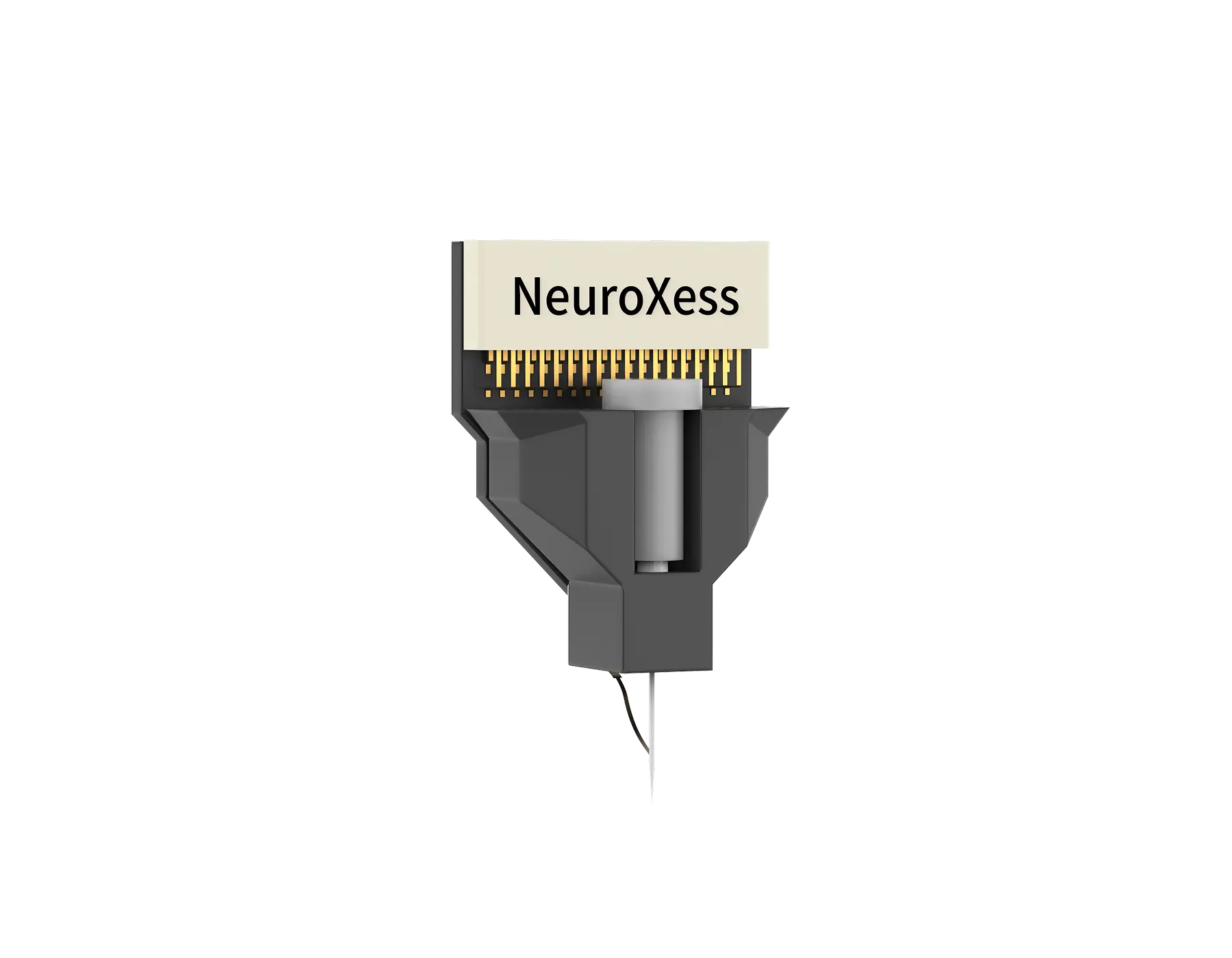
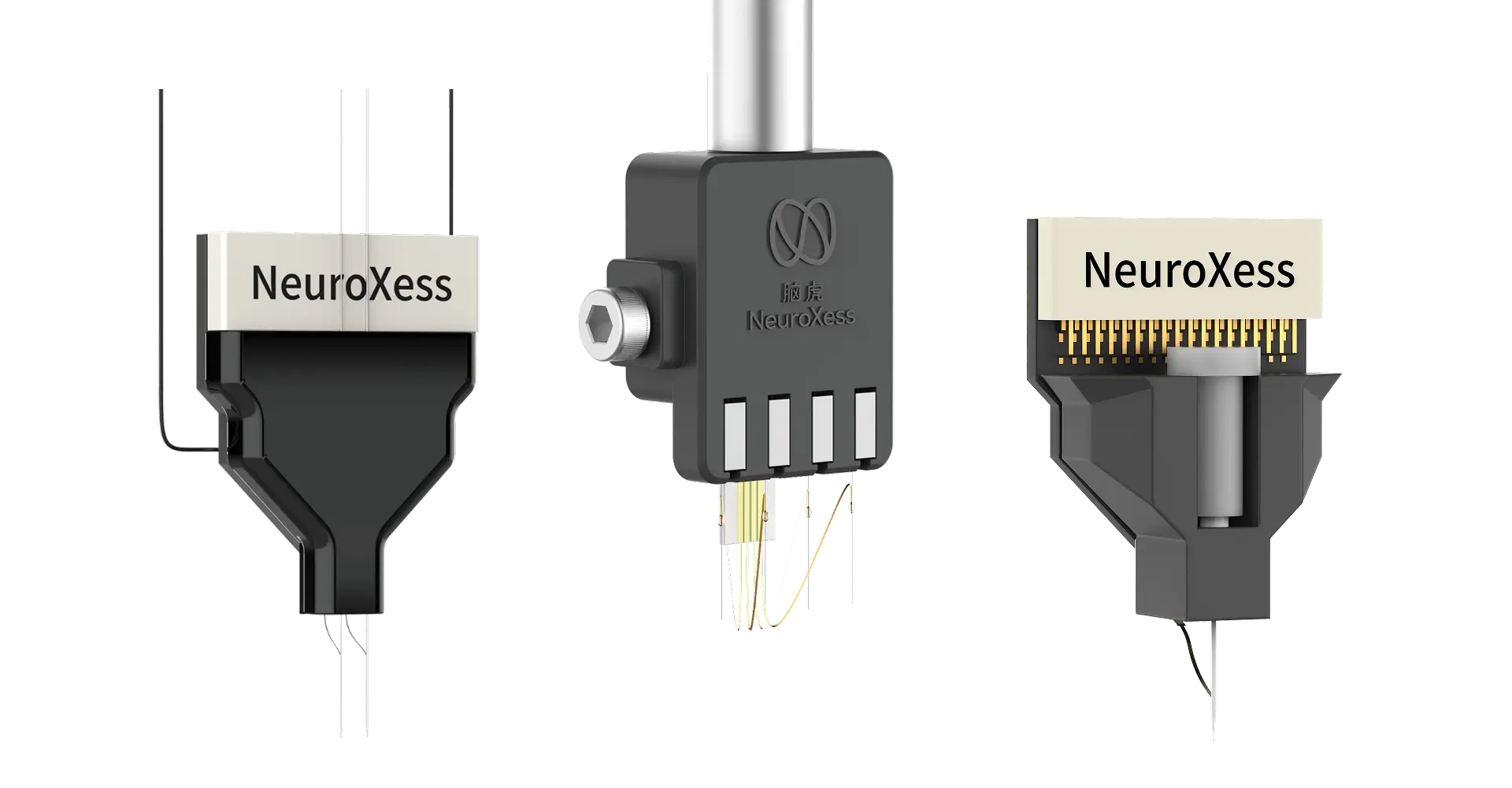
Deep Electrodes
Independently developed flexible depth electrodes are compatible with a wide range of animal models and research applications, and work seamlessly with mainstream recording systems including Plexon, Blackrock, TDT, Intan and Alpha Omega.
Diversified models with broad compatibility
Standard contact layouts include single-shaft (DS), V-shaped (DV) and high-density (DB) arrays to fit most brain regions, with custom development available for special research demands. Compatible with nearly all commercial neural recording systems.
Ultra-high throughput capability
MEMS manufacturing drastically boosts channel counts per probe, while advanced packaging technology maximizes electrical connectivity yield for high-channel arrays.
Minimal tissue damage
Ultra-thin flexible probes minimize mechanical trauma to brain tissue; only a 0.5 mm craniotomy hole is required for implantation.
Stable long-term recording
At only 4 μm thick, ultra-soft probes maintain consistent contact with neurons without relative displacement, enabling stable chronic recording. We have achieved continuous single-unit recording in mice for up to 10 months.
Multiple-region Flexible Electrodes
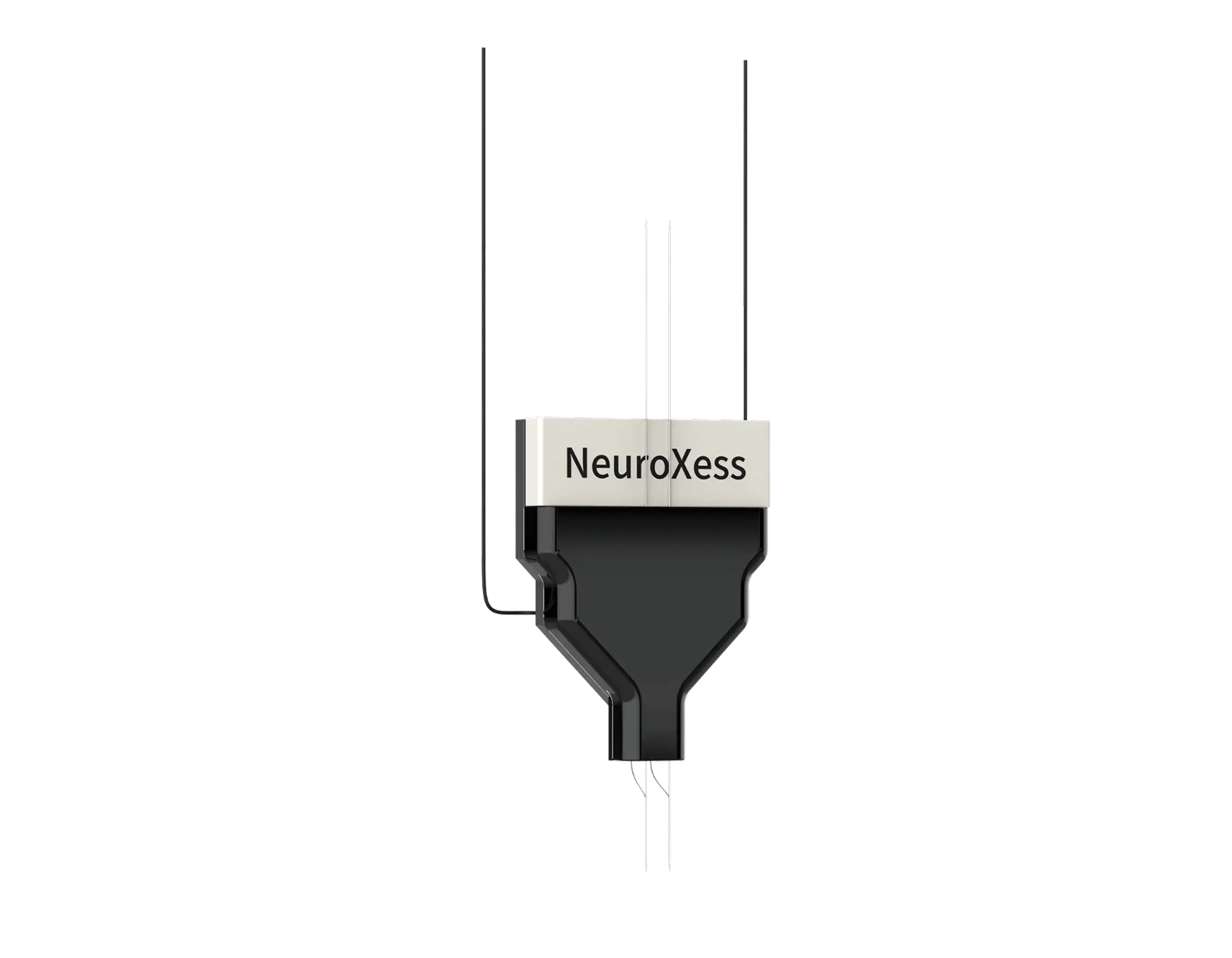
CrosTrode is specifically designed for in-depth exploration of the collaborative mechanisms of the brain. Given the complexity of brain functions and the characteristics of the collaborative work of multiple brain regions, scientists urgently need a tool to monitor and analyze the synchronous neural activities of multiple brain regions.
Compared with the fixed-spacing design of traditional electrodes for multiple brain regions, CrosTrode stands out with their high degree of freedom. They enable researchers to flexibly adjust the positions of the electrodes according to the unique anatomical structures of animals, achieving accurate, efficient and stable synchronous monitoring of neural activities in multiple brain regions, and making important contributions to uncovering the mysteries of the brain.
Flexible Implantation Sites
Position and depth adjustable intraoperatively, full-brain coverage, maximum penetration depth of 6 mm.
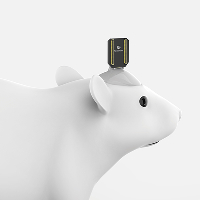
Small in Size
The 128-channel electrodes are compact in size and do not affect the free movement of small animal.
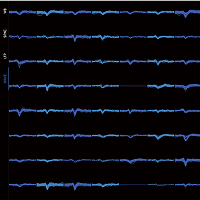
High Channel Capacity
It supports up to 128 channels across 4 brain regions, enabling efficient recording of massive neuronal activities from multiple brain areas.
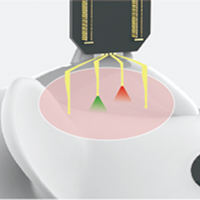
High Number of Channels
The 128-channel electrodes enable efficient recording of a large number of neurons in multiple brain regions.
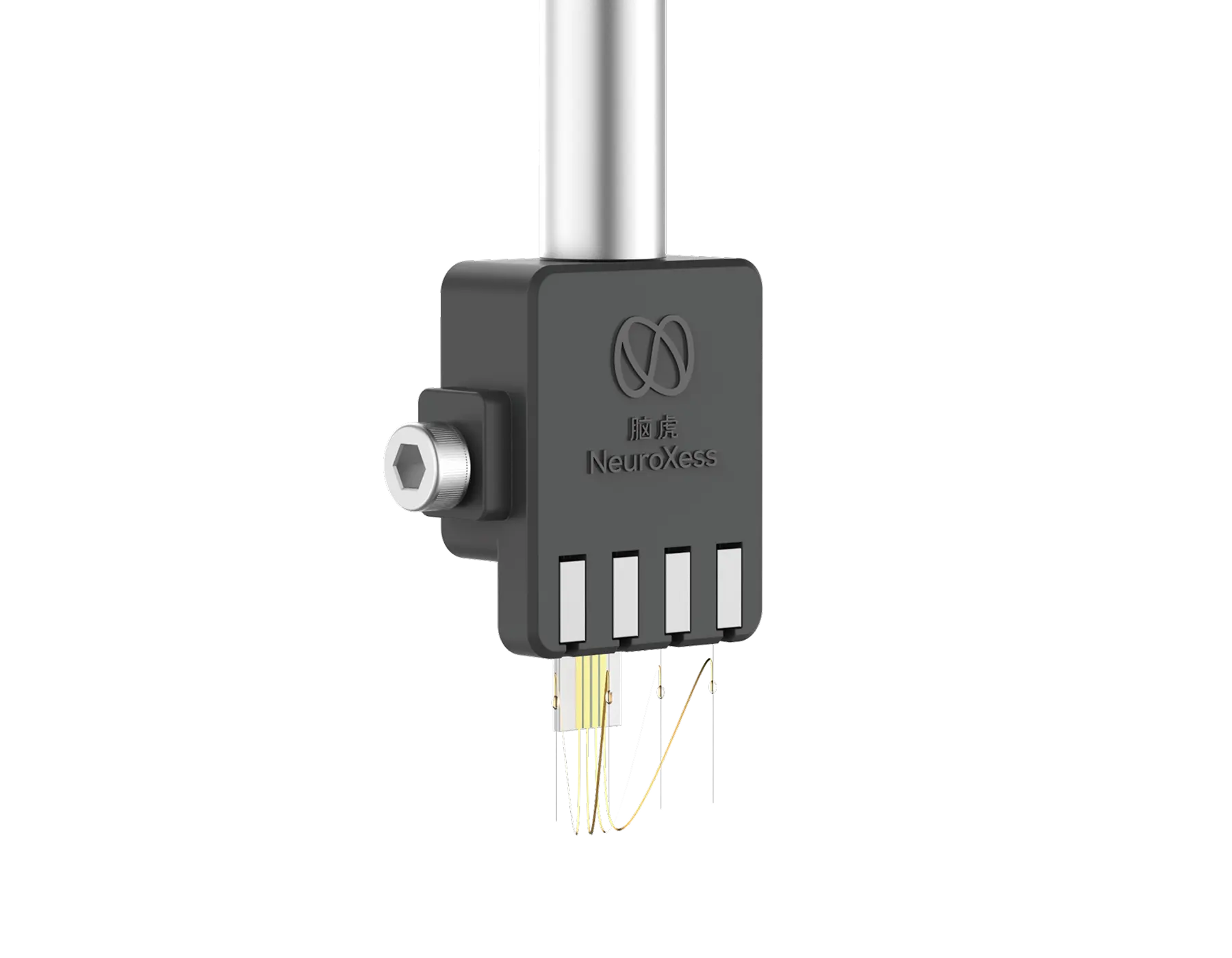
High-density Optoelectrodes
Optotrode integrates high-density flexible electrodes on optical fibers. The light emitted by the light source enters the optical fiber and is output from the other end to irradiate the cells transfected with photosensitive protein genes. When the light intensity and wavelength are appropriate, the photosensitive ion channels on the cell membrane are activated, and the corresponding ion flow causes the cell membrane potential to rise or fall, thereby making the cells generate excitatory or inhibitory electrical activities. The electrode contacts of Optotrode are in zero-distance contact with the light-emitting points, which greatly improves the effectiveness of light stimulation and thus increases the success rate of optogenetic experiments.
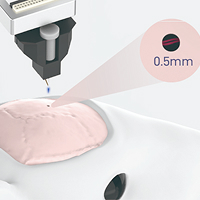
Low Damage
Implantable through a 0.5 mm craniotomy hole; micron-scale ultra-thin tips reduce brain injury.
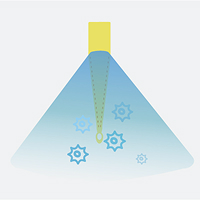
High experimental accuracy
Zero-distance alignment between recording contacts and light emission points maximizes stimulation efficacy and optogenetic experimental reliability.
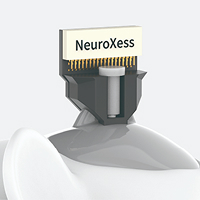
High compatibility
Optical fiber and electrode connectors compatible with most commercial recording and stimulation systems.
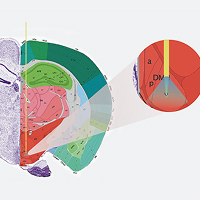
Broad Applicability Across Brain Regions
Suitable for nearly all brain regions in mice and rats, with full functional recording performance even in deep subcortical nuclei.